
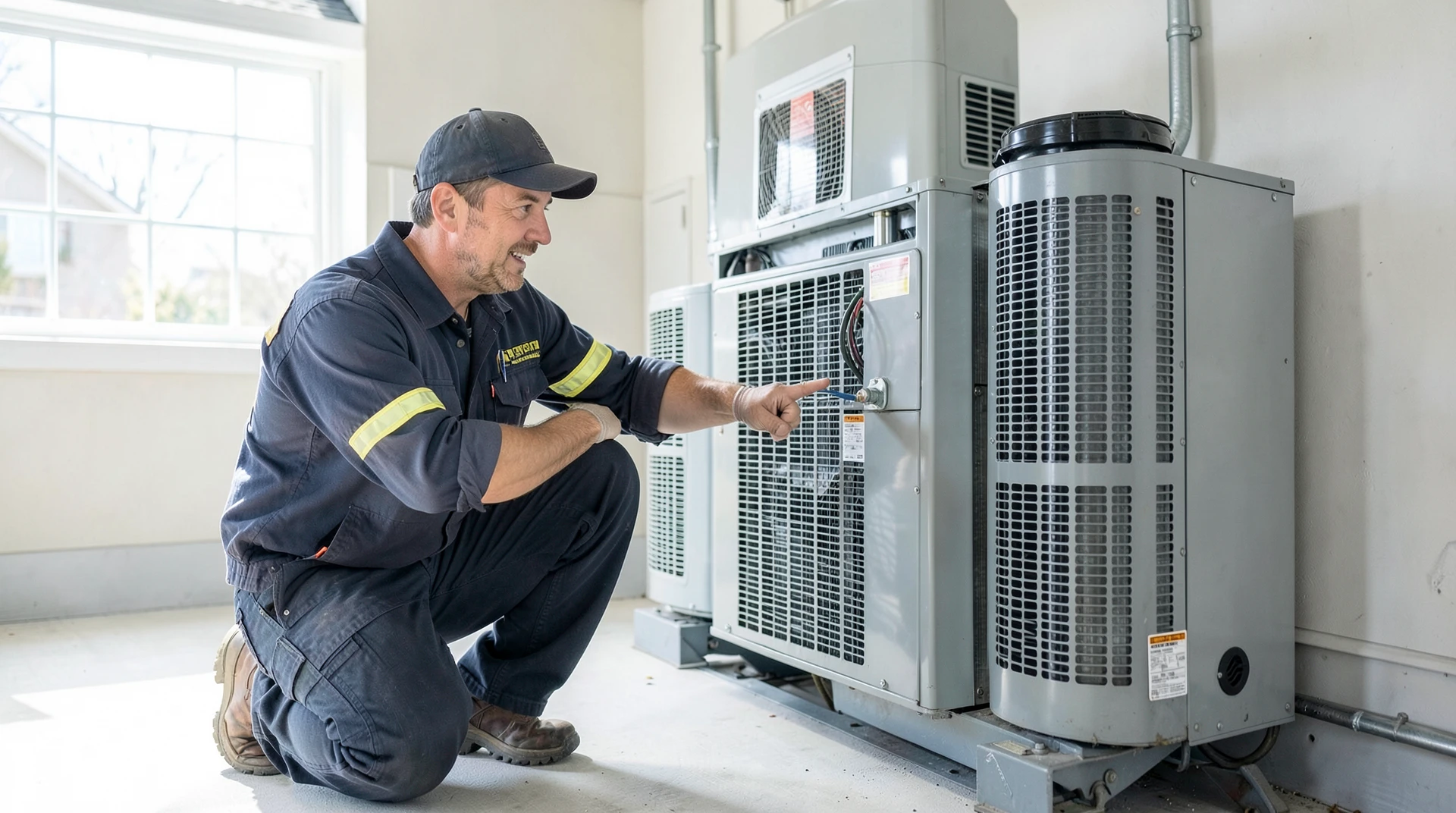
How Do I Determine If My Home Needs Full HVAC System Replacement? A Guide from Your Local Efficiency Expert
The moment your air conditioning unit sputters out during a scorching summer day in Mills Park, or the furnace struggles to deliver consistent warmth when the mountain chill sets in, it can feel like a catastrophic failure. For homeowners here in the Tahoe region, where seasons shift dramatically-from hot summers demanding peak cooling to cold winters needing reliable heat-HVAC comfort isn't a luxury; it’s essential for daily life. When that familiar mechanical groan signals trouble, the first question is always: Is this just a bad patch of dirt beneath the unit, or is something fundamentally wrong with the entire system?
It’s easy to jump to the most extreme conclusion-that everything must be ripped out and replaced. However, before making any major investment decision based on cost alone, we need to look deeper. Determining if your home needs a full HVAC system replacement requires an expert eye that can differentiate between routine maintenance neglect, minor component failure, or a genuine underlying design flaw. My focus has always been this: efficiency isn't about buying new equipment; it’s about optimizing what you already have first.
Is Your HVAC System Just Tired, Or Is It Time for a Major Upgrade?
To understand the gravity of your situation, let's start by setting aside the panic and adopting a pragmatic mindset. We need to determine if we are dealing with an operational issue or a structural one. Think of your entire HVAC system not as a complex piece of machinery, but more like a reliable car that has been running for many years through challenging mountain terrain.
If the 'car' just needs oil changes, filter replacements, and belt tightening, it’s simply due for preventative maintenance. These are minor services that keep all components running at peak capacity. If you notice fluid leaks or belts that look chewed up, we address those small issues first. The goal is always to restore efficiency without unnecessary expense.
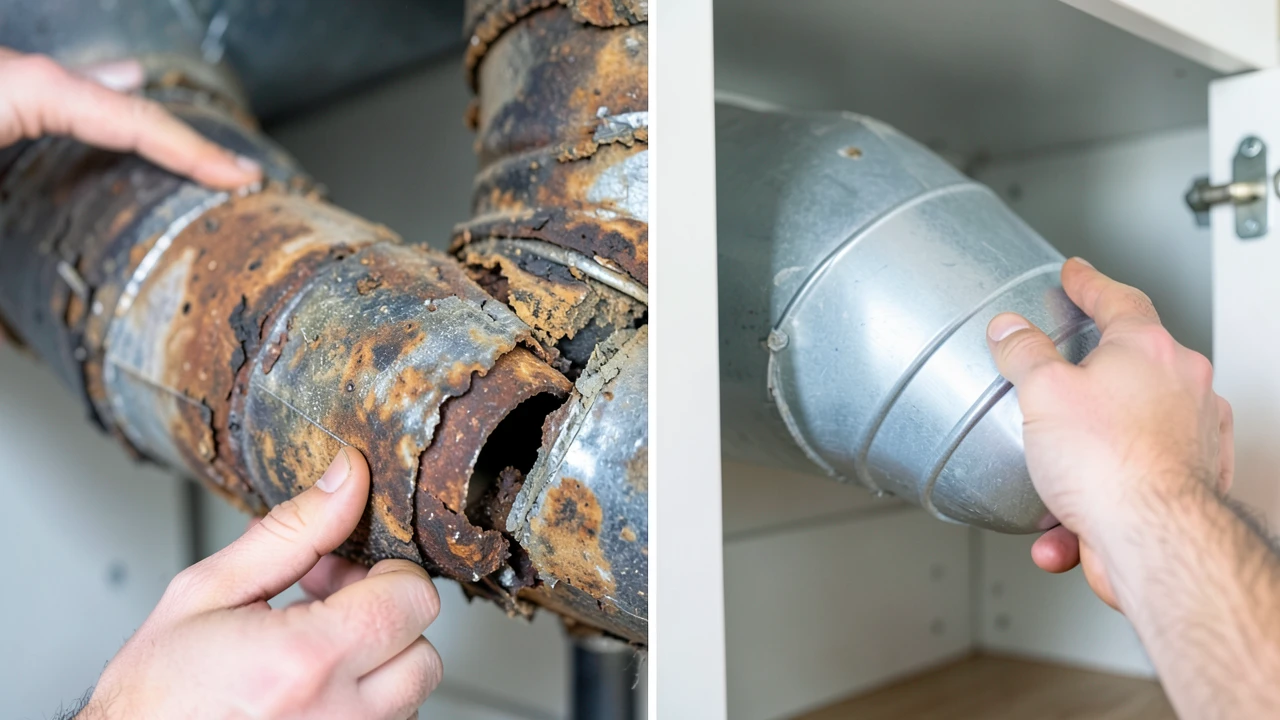
However, if the engine itself-the core mechanism of airflow and heat exchange-is corroded, out of sync with modern energy standards, or if the foundational parts are worn past their prime, then a major overhaul, or replacement, becomes necessary. This initial assessment is crucial because it prevents us from spending thousands on repairs only to find that the system's fundamental design simply can't meet today’s efficiency demands. We always start with optimization; replacements should be the last resort, not the default diagnosis.
The Performance Red Flags: Signs Your System Is Struggling (But Not Broken)
Sometimes the most alarming signals are the subtle ones-the signs that a homeowner might dismiss as "just bad luck" or "normal wear and tear." These performance flags often provide the clearest indicators of declining efficiency, even if your system hasn't failed completely. Paying attention to these details is the first step in answering how do I determine if my home needs full HVAC system replacement?
- Fluctuating Temperatures: Do you find that certain zones-like the master bedroom or the living room corner-are consistently too hot, while others are too cold? This suggests a problem far beyond a simple thermostat setting. It could point to inadequate cooling capacity for your home's current size, significant ductwork leaks, or an unbalanced system that is losing efficiency over time.
- The Noise Factor: Pay close attention to the sounds your unit makes when running. An unusual increase in operational noises-a loud grinding sound, a persistent squealing, or an aggressive humming-is rarely normal. These sounds are often indicators of worn-out motor bearings, failing blower components, or compromised refrigerant lines that require immediate professional diagnosis.
- The Utility Bill Spike: If you notice a sudden, inexplicable jump in your energy costs over a period where your usage hasn't changed (no new appliances, no more people at home), this is an efficiency red flag. Your system might be working much harder than necessary just to maintain the same comfortable temperature, signaling significant degradation or inefficiency.
- The Age Factor: While age alone never dictates failure, there are general guidelines we follow. If your HVAC unit is approaching or exceeding 15-20 years old, it is highly probable that it operates far outside modern efficiency standards (like current SEER ratings). Even if you've maintained it religiously, the technology and components of a system from decades ago simply cannot compete with today’s energy-saving advancements.
Beyond Temperature: Why Indoor Air Quality (IAQ) Is the Real Indicator
If temperature regulation is the "heartbeat" of your HVAC system, then Indoor Air Quality (IAQ) is its "respiratory health." As a specialist in this field, I often find that homeowners focus solely on cooling and heating because those are the most visible problems. But sometimes, the true indicator of an underlying systemic problem isn't discomfort-it's poor breathing air.
In the mountain environments surrounding Mills Park, managing IAQ is paramount. Our job, when we approach system health, cannot simply be reduced to moving hot or cold air; it must be about cleaning it.
Poor IAQ can manifest as persistent musty odors that filters won't touch, chronic allergies, or a general sense of stale airiness within the home. These issues are often rooted in problems like:
- Mold and Mildew: Excessive humidity combined with condensation buildup can foster mold growth, especially deep inside ductwork or structural elements.
- Dust Buildup: Over time, dust settles into ducts, diminishing airflow capacity and potentially containing allergens that compromise your family's respiratory health.
- Inadequate Filtration & Ventilation: Sometimes the issue isn't contamination but simply not enough fresh air exchange-a common oversight in older homes that leads to stale, recirculated air.
Furthermore, managing humidity is absolutely critical here. We need balance: excessive moisture creates mold risk; conversely, dry mountain heat can irritate respiratory systems and exacerbate allergies. A comprehensive assessment needs to look at filtration, ventilation rates, and moisture control simultaneously, which moves us far beyond a simple repair call.
The Efficiency Equation: Calculating ROI vs. Replacement Cost
This is often the most difficult conversation for any homeowner-the one involving money and major decisions. When faced with the prospect of replacement, it's natural to feel overwhelmed by the high upfront cost. You need to know your Return on Investment (ROI). You are not just buying a unit; you are investing in decades of reliable comfort and energy savings.
To help cut through the guesswork, we must talk about efficiency ratings. These metrics allow us to speak the language of value:
- SEER (Seasonal Energy Efficiency Ratio): For cooling systems, this tells you how many BTUs of cooling your unit produces for every watt-hour of electricity consumed over a season. Think of it like knowing your car's Miles Per Gallon (MPG)-it’s the best measure of fuel efficiency. A higher SEER means less money spent on energy bills.
- HSPF (Heating Seasonal Performance Factor): This does the same for heating, measuring efficiency during the cold months.
If your current system has severely outdated ratings and requires massive amounts of energy just to maintain acceptable comfort, the cost of continued inefficiency-the cumulative high utility bills over years-can quickly eclipse the initial replacement cost. This financial calculation is key when deciding how do I determine if my home needs full HVAC system replacement?
To structure your decision-making process, run through this checklist:
- Age & Efficiency Gap: Is the unit significantly older than modern standards allow? If yes, the efficiency gap might be too wide to bridge with simple repairs.
- Maintenance History: Has maintenance been consistent, or are you constantly dealing with emergency band-aids?
- Operational Reliability: Does the system fail unpredictably and catastrophically during peak season?
- Modern Needs: Do your lifestyle needs (e.g., smart home integration, increased focus on IAQ) require capabilities that only modern systems offer?
When to Call a Local Expert for an HVAC Efficiency Audit
Ultimately, because every single house in Mills Park and the greater Tahoe region is unique-with different insulation levels, rooflines, and energy consumption habits-there is no one-size-fits-all answer. Attempting to diagnose a major system failure based on symptoms alone (or worse, through generalized online advice) can be costly and inaccurate.
The most pragmatic next step, and the best way to protect your investment, is scheduling an HVAC Efficiency Audit.
This consultation shifts the focus from "selling you a new unit" to "providing expert diagnosis." During this comprehensive audit, we will perform several critical tests:
- Airflow Measurements: We measure airflow at multiple points in your home to identify bottlenecks or leaks that are wasting energy.
- Leak Detection & Duct Sealing: We inspect the integrity of your ducts, which often leak into unconditioned spaces (like attics), allowing conditioned air-and costly energy-to escape.
- Component Stress Testing: We test all components under simulated operating conditions to see where they are weakest or failing prematurely.
- Efficiency Benchmarking: We benchmark your system's performance against ideal local climate norms and current efficiency standards.
This audit is non-committal; it is simply us gathering objective data points-a technical report card for your home’s comfort system. It empowers you with clear answers, allowing you to make the most informed decision about whether a massive upgrade is justified or if focused repair work will bring your existing unit back to its peak potential.
If those unpredictable mountain weather shifts are causing worry, taking this proactive step ensures that whatever path we take-be it optimization or replacement-it’s done with absolute confidence and local expertise right here in Mills Park. We keep the technical details simple, focusing only on what matters: clean air, consistent comfort, and real energy savings for your family. Smart Hvac Solution in Mills Park, NV. expert HVAC System Replacement in Mills Park, NV services. AC Replacement in Mills Park, NV services in Mills Park, NV. Furnace Replacement in Mills Park, NV serving Mills Park, NV.